What Happens During an Expert Sunshine Coast Roof Inspection?
Living on the Sunshine Coast offers an enviable lifestyle, but the local climate can be notoriously tough on residential and commercial roofing. Between intense subtropical sun, corrosive coastal salt spray, and fierce summer storm downpours, a roof in this region works harder than in almost any other part of Australia. Understanding what actually happens during an expert Sunshine Coast roof inspection helps property owners make informed decisions, catch minor leaks before they turn into structural damage, and ensure their home remains safe and secure.
In 2026, professional roof assessments blend hands-on trade craftsmanship with high-tech diagnostic tools to provide a clear, detailed health check of your entire roofing ecosystem.
1. Initial Site Appraisal and Exterior Assessment
An inspection begins before a technician even climbs onto the ladder. The specialist first assesses the property's perimeter, taking note of site-specific factors such as overhanging coastal gums, prevailing wind directions, and proximity to the ocean. Homes near exposed beaches like Coolum, Caloundra, or Peregian face accelerated metal oxidation, whereas properties tucked in the hinterland around Buderim or Maleny deal more heavily with moss, lichen, and leaf debris.
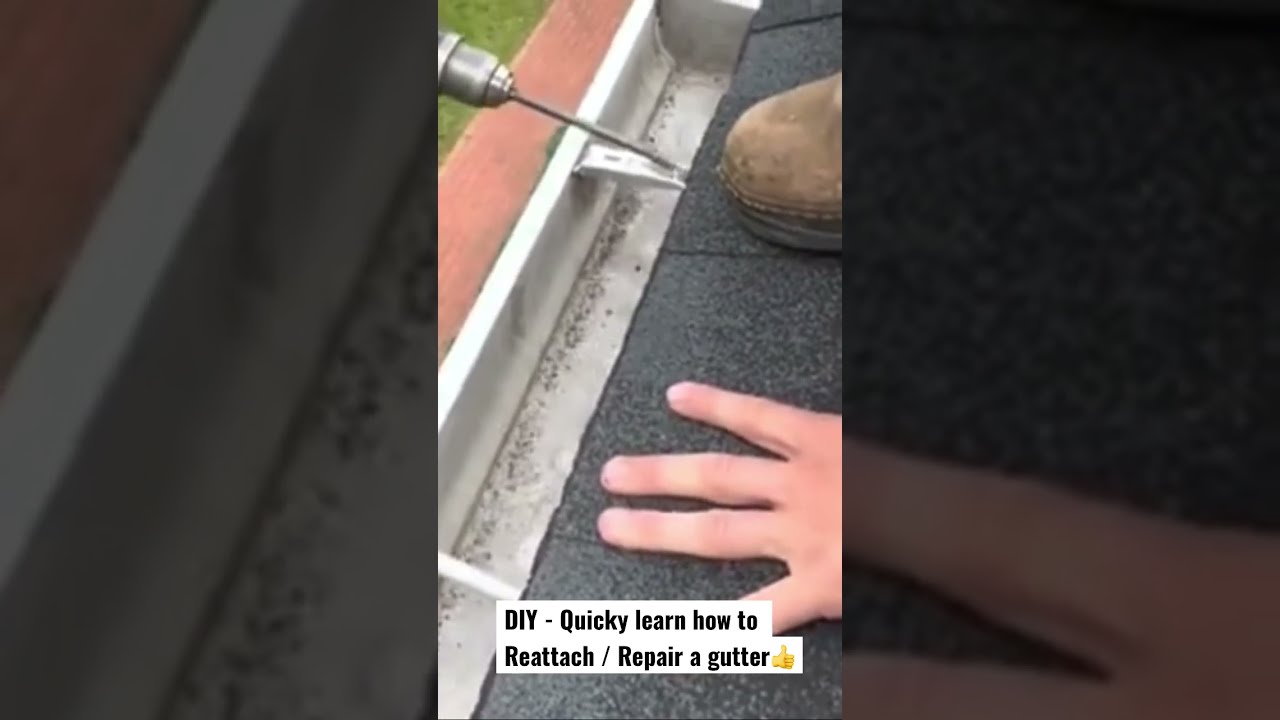
Once on the roof, the inspector systematically reviews the primary cladding:
- Metal Roofs (Colorbond / Zincalume): Checking for surface rust, pitting near cut edges, screw washer degradation, loose fixings, and ponding water along low-pitch profiles.
- Tiled Roofs (Concrete and Terracotta): Looking for cracked, chipped, or displaced tiles, fretting along coastal zones, and checking whether pointing and bedding compounds remain securely bonded.
- Flashings and Penetrations: Inspecting flashings around chimneys, skylights, plumbing vents, and air conditioning conduits to ensure waterproof seals remain watertight.
- Valleys and Gutter Systems: Assessing valley irons for internal rust and checking gutters and downpipes for correct fall, blockages, and secure bracket fittings.
2. Roof Cavity and Internal Inspection
A truly thorough roof inspection does not end on the outside. A substantial portion of water damage and structural failure hides beneath the surface, which is why an inspector will enter the roof void whenever safely accessible.
Inside the ceiling space, the specialist looks for subtle traces of water ingress that have not yet stained interior plasterboard. They examine the rafters, battens, and trusses for signs of wood rot, sagging, or termite activity. In our warm Queensland climate, proper roof ventilation is essential; inspectors assess whether heat and humidity are escaping properly through whirlybirds, ridge vents, or eaves vents, or if stagnant moisture is causing mould to flourish on the underside of the sarking.
3. High-Tech Diagnostics and Thermal Imaging
Modern roofing standards rely heavily on advanced diagnostic equipment to detect issues that the naked eye might miss. Today's Sunshine Coast roofing professionals frequently employ aerial drone surveys to safely inspect steep or multi-storey roof planes without walking on delicate tiles. Handheld moisture meters and calibrated thermal imaging cameras allow inspectors to detect damp insulation pockets, hidden sub-surface leaks, and thermal bridging that drives up summer cooling bills.
4. Drainage and Storm Readiness Verification
With seasonal https://sunshinecoastroofrestoration.com.au/gutter-repair-replacement/ severe weather events and cyclone boundaries shifting, storm resilience is a core focus of every coastal roof assessment. The inspector ensures your stormwater drainage system complies with current Queensland plumbing standards, verifying that gutters can handle the high-volume rainfall typical of subtropical downpours. They also check solar panel mounting racks to confirm that brackets have not loosened or compromised the weather-tight integrity of the roof sheets below.
5. The Comprehensive Condition Report
Following the physical inspection, you receive an objective, written condition report detailing the findings. Rather than vague repair quotes, a quality inspection report delivers transparent, actionable guidance:
- Photographic Evidence: High-resolution photographs identifying every damaged tile, compromised flashing, or rusting screw.
- Prioritised Action Plan: A clear breakdown dividing urgent repairs (such as active leaks or compromised structural brackets) from general preventive maintenance.
- Lifespan Estimate: A professional forecast of the roof's remaining serviceable life based on local environmental exposure.
- Insurance Documentation: Verifiable maintenance records that help support future insurance claims by demonstrating the roof was properly cared for.
Maintaining Peace of Mind for Your Home
A regular roof inspection is one of the most cost-effective investments a Sunshine Coast property owner can make. Catching a corroded valley iron, failing ridge cap, or blocked drainage point early prevents costly internal structural repairs, preserves your home's thermal efficiency, and ensures your property is fully prepared for whatever coastal weather arrives next.
Sunshine Coast Roof Restoration & Repair
Unit 8/13 Newspaper Pl, Maroochydore QLD 4558
(07) 4145 4576